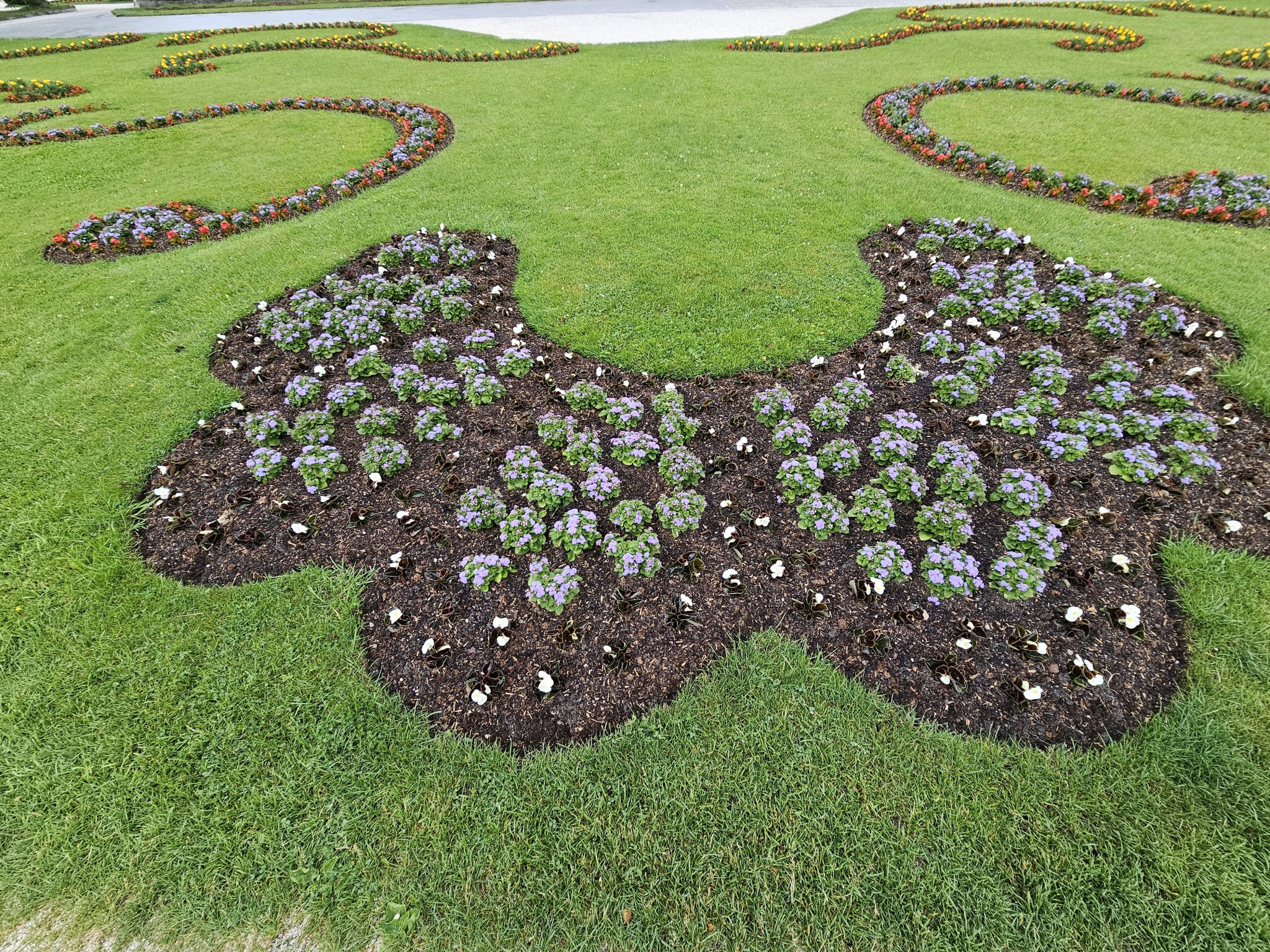
You can grow bright flowers that bloom all summer with very little daily work. Plant these five hardy options in late spring, give them a good soak at root level, and enjoy continuous color from June through October. They require full sun, basic soil, and minimal watering once established.
What are flowers that bloom all summer with little care?
The best flowers for full sun and continuous blooms are purple coneflowers, black-eyed Susans, blanket flowers, Russian sage, and coreopsis. These plants store energy well and handle high summer heat without dropping their petals. You only need to deadhead them once every two weeks to trigger fresh buds.
Set up your planting bed in an area that gets six to eight hours of direct sunlight each day. Dig a hole twice as wide as the nursery pot, drop the plant in, and press the soil firm. Water deeply right after planting to help the roots take hold in their new spot.

How to water low-maintenance summer flowers
Newly planted perennial flowers need water every three days for the first month. Give each plant about one gallon of water directly at the base. Avoid spraying the leaves with a hose because wet foliage can attract fungus during humid summer nights.
Once the roots settle after four weeks, cut your watering back to once a week. If your area gets an inch of rain during the week, skip watering entirely. These plants prefer dry soil over soggy ground, so letting the top two inches of dirt dry out is ideal.
- First month: Apply 1 gallon of water per plant every 3 days.
- Established plants: Give 1 gallon of water once every 7 to 10 days.
- Rainy weeks: Skip manual watering if rainfall totals 1 inch.
- Time of day: Water between 6:00 AM and 8:00 AM at ground level.
Light and soil needs for nonstop blooms
These long-blooming varieties thrive in poor to average soil. Rich soil with too much nitrogen produces lots of green leaves but very few flowers. Mix two inches of organic compost into your native soil at planting time, but skip heavy chemical fertilizers during the growing season.
Position your plants where tree branch shadows will not cover them during midday hours. If you are starting a container garden on a sunny patio, choose pots that are at least 12 inches wide with large drain holes at the bottom so water never sits around the roots.
- Sunlight goal: 6 to 8 hours of uninterrupted daily sun.
- Soil type: Loose, sandy or loamy dirt that drains quickly.
- Pot size: Minimum 12-inch depth with bottom drainage holes.
- Mulch layer: 2 inches of shredded bark to hold root moisture.
Simple pruning to keep flowers coming until frost
Pruning takes about ten minutes every two weeks. Use sharp hand shears to cut faded stems down to the nearest set of leaves. This process stops the plant from making seeds and forces it to create new flower buds instead.
In mid-July, cut the entire plant back by one-third if it starts looking floppy. This quick trim sparks a fresh wave of tight growth and new blooms three weeks later. Leave the final flower heads on the stalks in October so wild birds can eat the seeds during early winter.
Winter survival and spring startup steps
These perennials come back every year in USDA zones 4 through 9. In late November, after the first hard freeze turns the foliage brown, cut all stems down to three inches above the ground. Cover the root base with three inches of dry leaves or wood chips to protect the crown from extreme frost.
When warm weather returns in April, pull the leaf mulch away from the center of the plant. Water the bare crown once to wake up the roots. Fresh green shoots will appear within two weeks, starting the annual outdoor gardening cycle all over again.