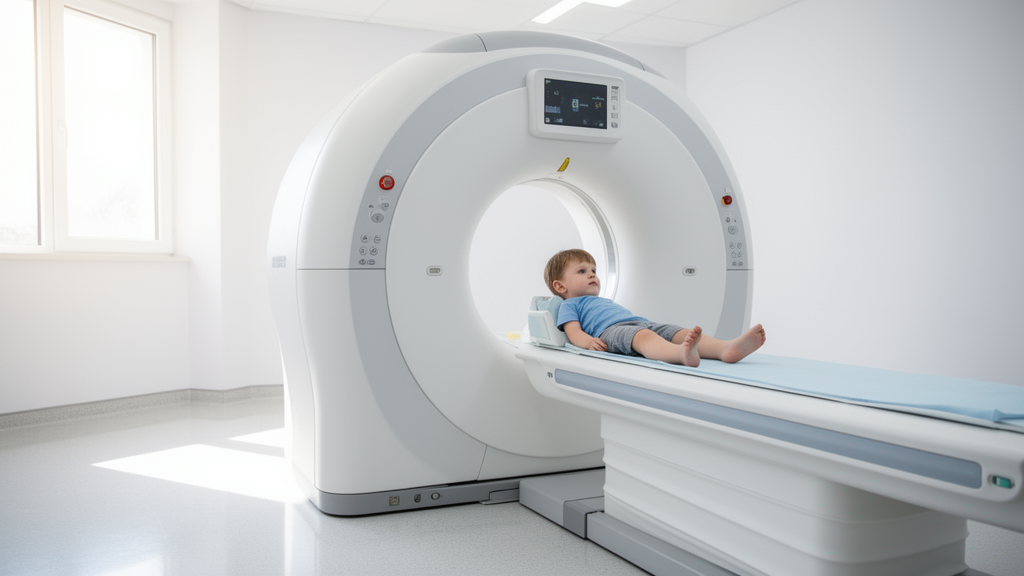
Children exposed to more radiation from medical scans may face a higher brain tumor risk. A new report from UC Davis Health highlights this serious health concern for young patients. Doctors and families now have to look closer at how often these tests happen.
What the study says about radiation from medical scans
The findings from UC Davis Health show that extra radiation can cause real harm over time. Medical scans help doctors see inside the body to find injuries and sickness. But each test can send a dose of energy into growing tissues.
When young people get higher doses, their cells can change in bad ways. A child has a body that is still growing fast, which makes their cells much more delicate. Because of this fast growth, the chance of developing a brain tumor can go up as radiation adds up.
Do medical scans raise the risk of brain tumors in children?
Yes, children exposed to more radiation from medical scans may face a higher brain tumor risk according to the new warning. The risk seems to grow when a child gets multiple scans over time. This makes every single scan an important choice for doctors to weigh.
Here are a few key points that parents should keep in mind:
- Scans give off radiation that can reach delicate brain tissue.
- Higher doses link to a higher chance of developing tumors later.
- Doctors must check if a scan is truly needed before using it.
- Other types of tests may work without using any radiation at all.
What this means for parents and young patients
Parents often trust scans to give quick answers when a child gets hurt or sick. Scans like these can save lives during scary emergencies in the hospital. Still, families can talk with their doctors about the real need for every picture taken.
You can always ask if a test uses radiation or if there is a safer way to check the problem. Some machines take great pictures without using any radiation doses. Knowing your choices helps you keep your child safe while still getting the right medical help.
What doctors will do next to protect children
Hospitals and clinics must work hard to keep scan doses as low as possible for kids. Many care teams already adjust their machines so that small bodies get smaller doses. This new report will push medical centers to be even more careful with every order they write.
Experts will also keep studying how these scans impact children as they grow into adults. Future work will look for new ways to diagnose illness without raising long-term cancer risks. For now, the goal is simple care, clear talks, and using radiation only when nothing else can help.