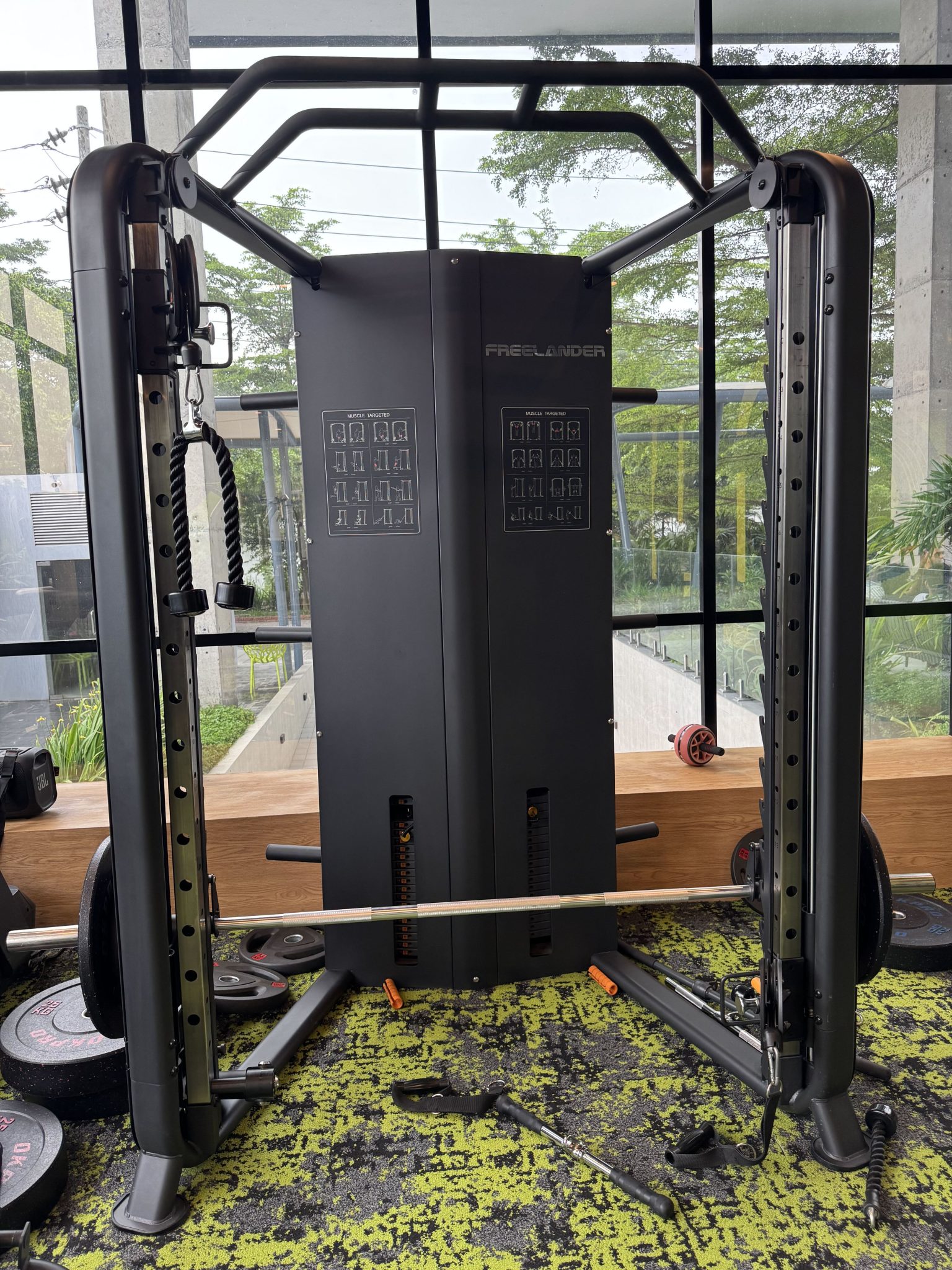
A proper deadlift requires a neutral spine, a tight core, and a powerful hip hinge. You must keep the bar close to your shins and push through the floor with your legs to lift the weight safely. Follow these specific steps to master the movement and build total body strength.
The Essential Deadlift Setup
Success in the deadlift happens before the bar even leaves the ground. You need to position your feet correctly to ensure the weight moves in a straight vertical line. Stand with your feet hip-width apart and the barbell cutting directly across the middle of your feet. When you look down, the bar should be about an inch away from your shins while you are standing upright.
Once your feet are set, follow these steps to reach the bar without moving it:
- Bend at the hips and knees to grab the bar with a shoulder-width grip.
- Pull your shins forward until they touch the metal bar.
- Lift your chest up to flatten your back completely.
- Squeeze your armpits shut to engage your back muscles.
- Take a deep breath into your belly and hold it to create internal pressure.

How to do a Proper Deadlift Movement
The actual lift is a push, not a pull. Many beginners try to yank the bar off the floor with their arms, which leads to a rounded back and potential injury. Instead, think about pushing the floor away from you with your feet. Keep your arms straight like ropes; they are only there to hold the weight, not to lift it. The bar must travel in contact with your legs the entire time to keep the center of gravity stable.
To execute the lift perfectly, focus on these mechanical cues:
- Push through your heels to start the upward movement.
- Keep the bar touching your shins as it passes your knees.
- Drive your hips forward once the bar clears your kneecaps.
- Stand tall at the top without leaning backward or shrugging your shoulders.
- Lower the bar by pushing your hips back first, then bending your knees once the bar is past them.
Safety and Muscle Engagement
The deadlift is a foundational exercise in strength training because it uses almost every muscle in the body. However, if your lower back rounds, the stress shifts from your muscles to your spinal discs. You must maintain a straight line from your head to your hips throughout the entire range of motion. If you feel a sharp pain in your back, stop the set immediately and check your hip position.
Your grip strength often fails before your legs do. To fix this, you can use a double overhand grip for lighter sets and a mixed grip for your heaviest sets. Always ensure you are wearing flat shoes or lifting in socks. Thick running shoes with cushions create instability and can cause your ankles to wobble during a heavy lift. Using a solid surface helps you transfer power directly from your legs into the floor.
Common Deadlift Mistakes to Avoid
One of the biggest mistakes is "squatting" the deadlift. This happens when your hips are too low, which pushes your shins forward and knocks the bar away from your body. Your hips should be higher than your knees but lower than your shoulders. Another common error is looking up at the ceiling or in a mirror. This puts unnecessary strain on your neck. Keep your chin tucked and look at a spot on the floor about three feet in front of you.
Many people also forget to reset between reps. Bouncing the weights off the floor uses momentum and ruins your form for the next rep. Stop for one full second after the plates touch the ground. Re-tighten your core, flatten your back, and pull the slack out of the bar before you start the next lift. This ensures every rep is performed with maximum safety and efficiency for bodybuilding or strength goals.
Sets Reps and Rest Times
Since the deadlift is very taxing on the central nervous system, you do not need high volume to see results. Beginners should focus on mastering the form with moderate weight before trying to lift as heavy as possible. A standard routine involves three to five sets of five repetitions. This allows you to practice the setup frequently without becoming so tired that your form breaks down.
- Warm up: 2 sets of 10 reps with an empty bar or very light weight.
- Working sets: 3 sets of 5 reps with a weight that feels challenging but manageable.
- Rest time: 3 to 5 minutes between sets to allow full recovery.
- Frequency: Perform this movement once or twice per week maximum.
No comments:
Post a Comment