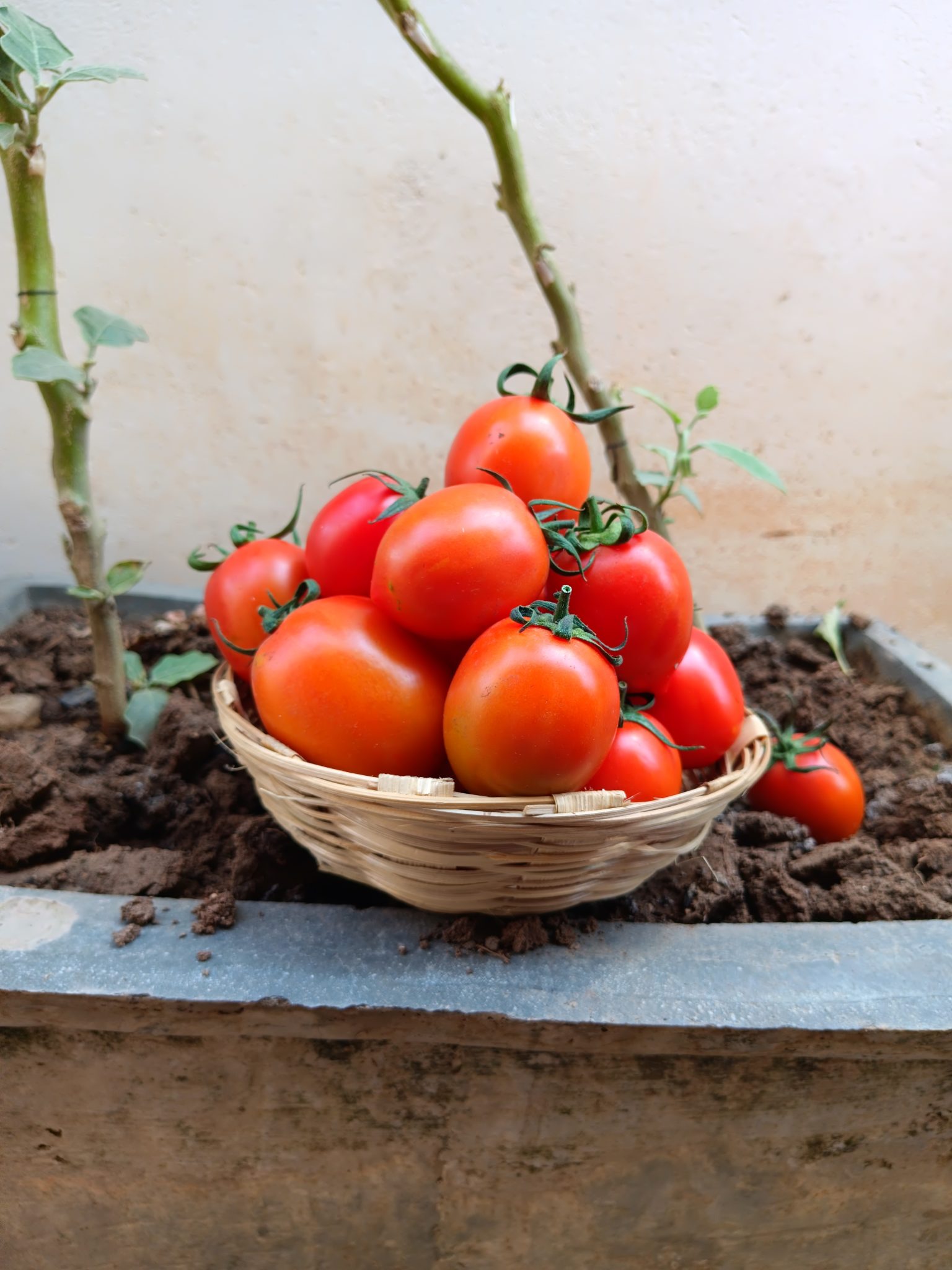
Growing tomatoes in pots start to finish requires a five gallon container, eight hours of direct sunlight, and daily watering. You must use a high quality potting mix and a sturdy stake to support the heavy fruit as it grows. Follow these specific steps to ensure your plants stay healthy and produce a large crop all summer long.
Choosing the right container and soil
The biggest mistake beginners make is using a pot that is too small. A determinate tomato plant needs at least a five gallon bucket, while indeterminate varieties often need ten gallons to thrive. Ensure your pot has at least four drainage holes at the bottom so the roots do not sit in stagnant water and rot. A plastic or resin pot is often better than terra cotta because it holds moisture longer during hot July days.
Never use plain dirt from your backyard because it is too heavy and may contain diseases. Buy a bag of potting mix that contains peat moss or coconut coir and perlite for aeration. This creates a light environment where roots can spread quickly. You can learn more about how a container garden works to provide the best environment for your vegetables. Setting up your pots should take about thirty minutes per plant once you have your supplies ready.

How to plant tomatoes in pots
Planting your tomato starts deeper than they were in their nursery plastic is a secret to success. Remove the bottom two sets of leaves and bury the stem up to the next set of leaves. This allows the plant to grow extra roots along the buried stem, which makes it much stronger. Space your pots at least two feet apart to allow for good air flow, which prevents leaf fungus and mold.
- Fill the bottom third of your pot with potting mix and add a handful of organic vegetable fertilizer.
- Place the tomato seedling in the center and fill the rest of the pot with soil.
- Press the soil down firmly with your hands for about ten seconds to remove large air pockets.
- Insert a wooden stake or a metal cage into the pot immediately so you do not damage the roots later.
- Water the soil until you see water coming out of the drainage holes at the bottom.
The best sun and water schedule
Tomatoes are sun lovers that need at least six to eight hours of direct light every single day. If your porch is shaded, the plant will grow tall and skinny but will not produce many flowers or fruit. Place your pots on the south side of your home if possible. If you live in a very hot climate, you may need to move the pots into a slightly shaded area during the peak heat of the afternoon to prevent the leaves from scorching.
Watering is the most important daily task for growing tomatoes in pots start to finish. Because pots dry out faster than the ground, you must check the soil every morning. Stick your finger two inches into the dirt. If it feels dry, give the plant about a half gallon of water. During August heat waves, you might need to water once in the morning and once in the evening. Always pour the water directly onto the soil rather than over the leaves to keep the plant healthy.
Feeding and pruning for a big harvest
Potted plants lose nutrients every time you water them because the water washes the food out of the drainage holes. You must feed your tomatoes every two weeks with a water soluble fertilizer that is high in phosphorus. This encourages the plant to grow fruit instead of just more green leaves. Mixing the fertilizer into a gallon of water and pouring it on the soil takes less than five minutes but doubles your yield.
- Pinch off the suckers, which are the tiny stems growing in the V shape between the main branch and the stem.
- Remove any yellow or brown leaves from the bottom of the plant every weekend.
- Check the undersides of leaves for green worms or small spots once a day.
- Tie the main stem to your stake using soft twine or strips of old fabric every time it grows another six inches.
- Harvest your tomatoes when they are fully colored but still firm to the touch.
Common mistakes to avoid in your garden
Consistency is the secret to a great tomato harvest. If you let the soil get bone dry and then soak it heavily, the tomatoes will likely crack or develop blossom end rot. This happens because the plant cannot move calcium properly when the water levels jump up and down. Try to keep the soil feeling like a wrung out sponge at all times. This type of gardening takes patience but offers a huge reward in flavor.
Do not be afraid to pull off the very first flowers if the plant is still small. Removing those first few blooms forces the plant to put its energy into growing a thick stem and deep roots first. This results in a much larger plant that can hold twenty pounds of tomatoes later in the season. Spend ten minutes every morning checking your pots, and you will have fresh tomatoes for your kitchen all summer long.
No comments:
Post a Comment