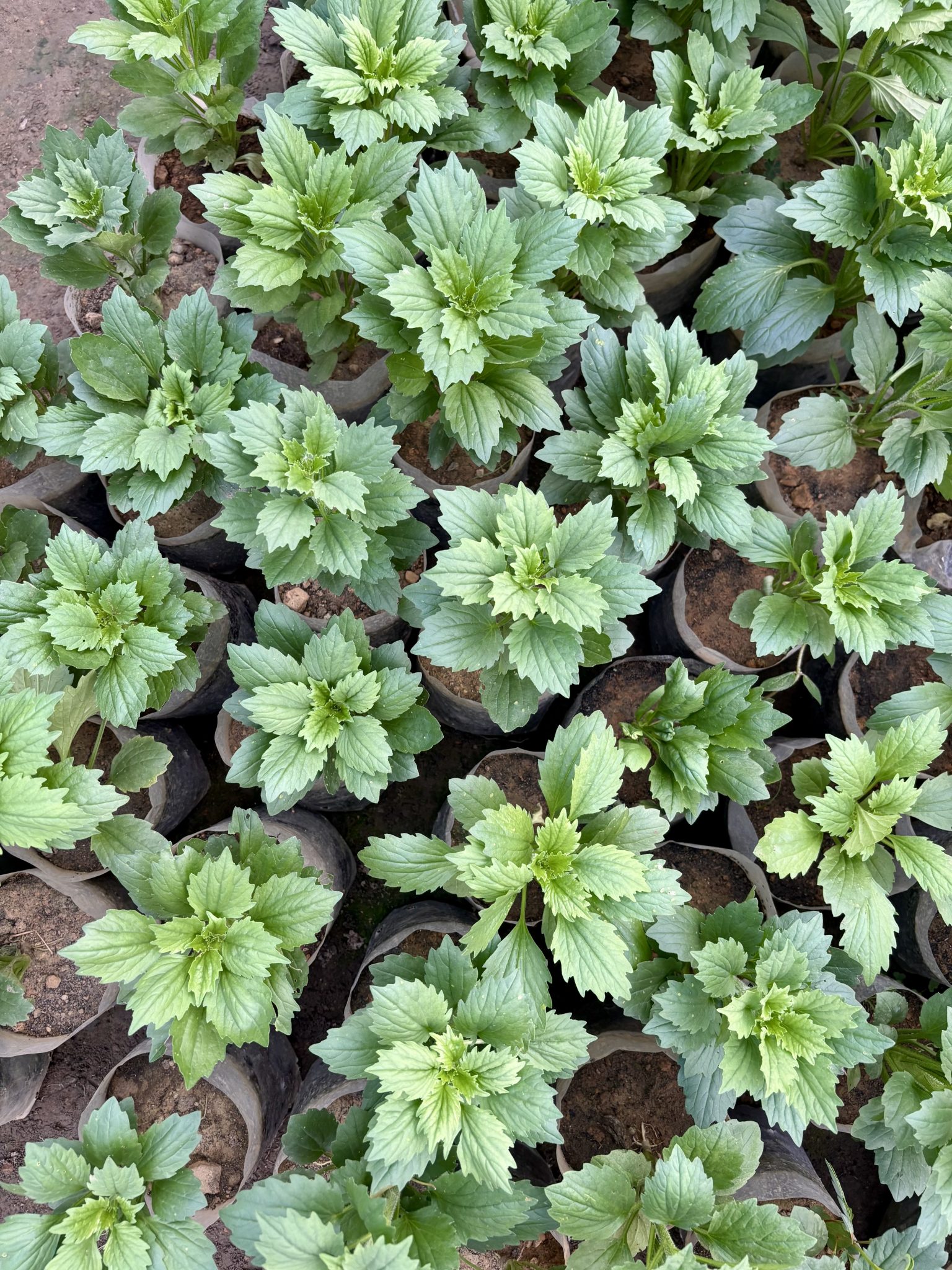
You can start seeds indoors without a greenhouse by using shallow containers, fresh seed mix, and a sunny south-facing window. Place your trays where they get six to eight hours of direct sunlight each day and keep the room temperature around 70 degrees Fahrenheit. Water the soil gently with a spray bottle every morning so the top layer stays moist but never soggy.
Choose Your Seed Trays and Soil Mix
You do not need to buy special equipment to begin your indoor seeds. Old plastic egg cartons, clean yogurt tubs, or paper egg boxes work very well. Punch two small holes in the bottom of every plastic cup so extra water can drain out freely. Fill each container to within half an inch of the top edge with fresh seed starting soil. Plain garden soil from your yard is too heavy for young roots and often holds diseases that kill tiny stems.
Mix your dry seed soil with warm tap water in a bucket before filling your pots. The dirt should feel like a wrung-out sponge, damp to the touch but not dripping wet. Press the wet soil down lightly with your fingers to remove large air pockets. A smooth and steady base helps young plant roots grip the soil quickly.
Plant Seeds at the Right Depth
Planting depth determines how fast your seeds sprout above the surface. Read the back of your seed packet to find the exact depth for each plant variety. A good general rule is to bury a seed twice as deep as its total width. Very small seeds like lettuce only need to sit on top of the dirt with a tiny sprinkle of fine soil over them.
- Drop two seeds into each small pot or tray cell to make sure at least one sprouts.
- Cover the seeds with loose dirt and press down softly with the flat end of a pencil.
- Label every pot with the plant name and the exact date you planted the seed.
- Mist the soil surface five times with a spray bottle to settle the top layer.
Put a sheet of clear plastic wrap loosely over the top of your seed tray. This clear cover traps humidity around the seeds so you do not have to water them every few hours. Remove the plastic cover completely as soon as you see the first green sprout push up through the dirt.
Provide Plenty of Light and Water
Young sprouts need strong light immediately after they pop out of the dirt. Place your seed trays on a wide windowsill that faces south or west to get eight hours of clear sunlight. If your seedlings start leaning far to one side, turn the tray around 180 degrees every afternoon at two o'clock so the stems stay straight. You can learn more about general plant care through basic Gardening practices.
Water your young plants from the bottom to protect the tender green stems from falling over. Set your seed pots inside a shallow baking tray filled with one inch of room temperature water. Leave the pots in the tray for fifteen minutes until the top dirt looks damp, then pour out any extra water from the bottom pan.
- Check your trays every morning at eight o'clock to feel the top of the soil.
- Add water only when the top quarter inch of dirt feels light and dry.
- Keep room temperatures between 65 and 72 degrees Fahrenheit during the day.
- Use a small fan on its lowest setting for ten minutes a day to build strong stems.
How to Start Seeds Indoors Without a Greenhouse
Timing is the most important part of growing plants indoors during early spring. Count backward six weeks from the average date of your last spring frost to find your indoor planting day. For example, if your last local frost usually happens on May 15th, sow your tomato and pepper seeds indoors on April 1st. Starting your seeds too early leads to tall, weak plants that flop over in the wind later on.
Thin your seedlings down to one strong stem per pot when they reach two inches tall. Use a pair of small kitchen scissors to snip the weaker sprout right at the soil line. Do not pull the extra seedling out with your fingers because that pulls up the roots of the good plant left behind. Thinning gives the remaining plant all the room it needs to build a thick root base.
Move Seedlings Outdoors Safely
Indoor plants need seven days to get used to the outdoor wind and direct sun before you plant them in your garden beds. This slow step is called hardening off, and it prevents your young leaves from burning up in bright sunlight. Start this process one week after your last spring frost date when daytime temperatures stay above 50 degrees Fahrenheit.
Set your seed trays outdoors in full shade for two hours on the first day, then bring them back inside your house. Add one extra hour of outdoor time each afternoon and move the trays into partial sunlight by day four. Keep the soil moist during this week because wind dries out small pots very fast. By day seven, your new plants can stay outside all day and are ready for your garden soil.
No comments:
Post a Comment